
The Crucial Connection Between Nutrition and Longevity


What you eat every day may be one of the most powerful, modifiable levers for living not just longer, but healthier years. This concept—often called “healthspan”—captures the idea that adding years to life matters most when those years are vibrant, independent, and free from chronic illness. Since 1860, average life expectancy in countries like the United States has roughly doubled, climbing from about 40 years to nearly 79 years, largely thanks to advances in public health, sanitation, and medical care. Yet diet-related chronic diseases now limit quality of life in later years for millions of people worldwide.
This distinction between lifespan (total years lived) and healthspan (years lived in good health) sits at the heart of modern longevity research. The findings suggest that the foods we consistently choose over decades can shift the odds substantially—either toward more healthy years or toward prolonged struggle with preventable conditions. In this article, we’ll explore the science-backed links between healthy dietary patterns and longevity, drawing on major prospective cohort studies like the Nurses Health Study, UK Biobank analyses, and observations from the world’s longest-lived populations.

1. How Much of Longevity Is Really in Our Control?
One of the most empowering discoveries in longevity research is that genetics explain a surprisingly small portion of how long we live. Current estimates suggest that genetic predisposition accounts for roughly 10–30% of variation in lifespan, while lifestyle factors—including diet, physical activity, smoking habits, alcohol intake, and sleep quality—explain the majority of the rest.
Research from Harvard cohorts has found that adherence to four or five healthy lifestyle factors at age 50 (non-smoking, moderate alcohol, regular exercise, maintaining a healthy body weight, and following a healthy diet) was associated with an estimated 7–14 additional years of life compared with adopting none of these habits. This represents a substantial difference—potentially more than a decade of additional life expectancy—driven largely by daily choices rather than inherited traits.
Large-scale analyses from the UK Biobank, involving over 100,000 participants followed for approximately a decade, have further reinforced this message. Researchers found that the benefits of healthy eating patterns persisted independently of genetic predisposition to longevity, as measured by polygenic risk scores. In other words, even individuals with less favorable genetic backgrounds experienced meaningful longevity benefits from better diet quality.
While no healthy lifestyle can guarantee disease prevention or a specific life span, the evidence is clear: consistently choosing nutrient-dense, minimally processed foods substantially shifts the odds toward more healthy years. Your family history influences your baseline risks, but your daily habits write much of the final story.
2. Major Long-Term Studies Linking Diet and Longevity
Our understanding of how nutrition shapes aging comes largely from decades-long observational studies following tens of thousands of adults. These prospective cohort studies track dietary habits and health outcomes over time, revealing patterns that would be impossible to detect in shorter investigations.
Harvard Nurses’ Health Study & Health Professionals Follow-up Study
Beginning in the mid-1980s and continuing through the 2010s, these landmark studies followed more than 100,000 health professionals over multiple decades. Researchers found that higher adherence to healthy eating patterns—including the Alternative Healthy Eating Index (AHEI), Mediterranean-style approaches, the DASH diet, and the MIND diet—was linked to greater odds of what scientists call “healthy aging”: reaching at least age 70 without major chronic disease or significant cognitive and physical decline.
The data revealed that participants in the highest quintiles of diet quality had substantially lower risk of premature mortality compared with those in the lowest quintiles. These associations held even after accounting for other lifestyle factors like exercise and smoking status.
UK Biobank Analyses
More recently, UK Biobank research involving 103,649 participants followed for a median of 10.6 years documented how adherence to five established healthy dietary patterns affected longevity outcomes. The findings were striking:
Dietary Pattern |
Life Expectancy Gain (Men, Age 45) |
Life Expectancy Gain (Women, Age 45) |
|---|---|---|
Diabetes Risk Reduction Diet (DRRD) |
3.0 years |
1.8 years |
Alternative Healthy Eating Index |
2.4 years |
1.9 years |
DASH Diet |
2.3 years |
1.6 years |
Mediterranean Diet |
2.2 years |
2.3 years |
Healthful Plant-based Diet Index |
1.9 years |
1.5 years |
These gains—ranging from 1.5 to 3 years of additional life expectancy—emerged independently of participants’ genetic risk profiles, reinforcing that dietary choices can meaningfully influence longevity regardless of inherited predispositions.
Global Burden of Disease Research
Population-level analyses examining dietary risks across countries have identified poor diet quality as a leading contributor to death from noncommunicable diseases worldwide. In many older-adult populations, suboptimal nutrition ranks second only to tobacco as a modifiable risk factor for mortality. The global burden of diet-related disease underscores why public health organizations increasingly emphasize nutrition as a cornerstone of disease control and healthy aging strategies.
It’s worth noting that observational studies demonstrate associations rather than definitive proof of cause-and-effect. However, when consistent patterns emerge across multiple large cohorts, different populations, and various research methodologies, the cumulative evidence becomes compelling enough to inform meaningful public health guidance.
3. Dietary Patterns Consistently Linked with Longer, Healthier Life
Modern longevity science focuses less on individual “superfoods” and more on overall health outcomes that emerge from patterns of eating sustained over decades. Research suggests that how foods work together in your overall diet matters more than any single ingredient.
Mediterranean Diet
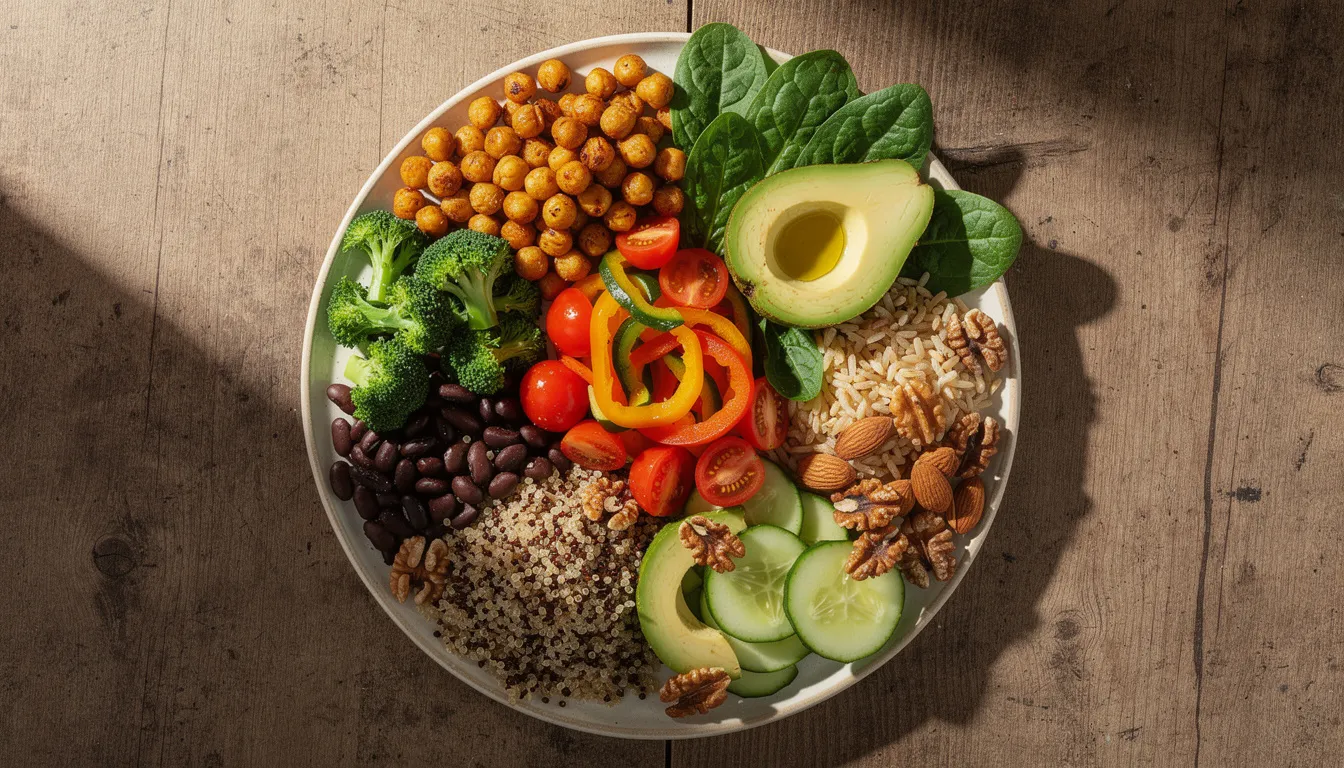
Perhaps the most extensively studied longevity-supportive pattern, the Mediterranean diet emphasizes vegetables, fruits, whole grains, legumes, nuts, and extra-virgin olive oil as primary fat sources. Fish appears regularly, while red and processed meats are consumed sparingly. Added sugars and ultra-processed foods remain minimal.
Multiple meta-analyses have found that adherence to Mediterranean-style eating is associated with 20–30% lower risk of all cause mortality. The pattern has also demonstrated consistent links to reduced cardiovascular disease, type 2 diabetes, and certain cancers. For women in particular, the Mediterranean approach showed the strongest positive association with longevity in recent UK Biobank analyses.
DASH Diet
Originally developed to help manage high blood pressure, the DASH diet (Dietary Approaches to Stop Hypertension) has proven beneficial far beyond blood pressure control. The pattern prioritizes fruits, vegetables, low-fat dairy, whole grains, and nuts while limiting sodium, red and processed meat, and sugary beverages.
Research consistently links DASH adherence to improved cardiovascular health, reduced coronary artery disease risk, and lower risk of metabolic syndrome. Its emphasis on potassium-rich foods and reduced sodium makes it particularly relevant for the many older adults managing blood pressure concerns.
MIND Diet
The MIND diet represents a hybrid of Mediterranean and DASH approaches, specifically designed to support cognitive health. It emphasizes leafy greens, berries, nuts, olive oil, whole grains, beans, poultry, and fish while limiting red meat, butter, cheese, pastries, and fried foods.
Observational studies have linked higher MIND diet adherence to slower cognitive decline and reduced risk of Alzheimer’s disease. Given that cognitive impairment represents one of the greatest threats to quality of life in later years, patterns supporting brain health deserve particular attention in longevity planning.
Healthful Plant-Based Dietary Patterns
Plant-forward eating patterns that emphasize whole plant foods while limiting refined grains, sweets, and ultra-processed meat alternatives have shown consistent associations with lower mortality risk. These approaches don’t necessarily require complete elimination of animal foods but instead prioritize vegetables, fruits, whole grains, legumes, nuts, and seeds as dietary foundations.
What These Patterns Share
Despite their differences, longevity-supportive dietary patterns share unmistakable common ground:
High intake of dietary fiber from whole plant sources
Emphasis on minimally processed foods
Regular consumption of nuts, seeds, and legumes
Healthy fats (particularly unsaturated fats from olive oil and nuts)
Limited sugary beverages, refined grains, and processed meats
3.1 What These Patterns Have in Common: Core Longevity Nutrients
Looking beneath the surface of these dietary patterns reveals shared nutritional features that likely drive their health benefits.
Dietary fiber stands out as perhaps the most consistently protective nutrient in longevity research. Higher fiber intake has been associated with lower all cause mortality across multiple large cohorts. Fiber supports gut health by feeding beneficial bacteria that produce anti-inflammatory short-chain fatty acids. It also helps maintain blood sugar stability, supports healthy cholesterol levels, and promotes satiety that can prevent weight gain.
Polyphenols and antioxidants from colorful fruits and vegetables help counteract oxidative stress—the cellular damage from unstable molecules that tends to accelerate with age. Berries, dark leafy greens, cocoa, tea, and deeply pigmented vegetables provide particularly rich sources of these protective compounds. Research suggests they may help reduce chronic inflammation, another hallmark of aging.
Unsaturated fats from sources like olive oil, nuts, seeds, and fatty fish offer cardiovascular benefits compared with high intakes of saturated and trans fats. Monounsaturated fats from olive oil and polyunsaturated fatty acids (including omega-3s) support healthy blood lipid profiles and may reduce coronary heart disease risk.
Essential micronutrients including magnesium, potassium, B vitamins, and carotenoids support vascular, metabolic, and neurological function across the life span. These nutrients work synergistically within whole foods, which may explain why nutrient-dense eating patterns outperform isolated supplement approaches in most longevity research.
4. Nutrition, Chronic Disease, and Healthy Aging
Many conditions that shorten life or limit independence in later years—cardiovascular disease, type 2 diabetes, certain cancers—are strongly influenced by decades of diet quality. Understanding these connections helps clarify why nutrition represents such a powerful lever for healthy longevity.
Cardiometabolic Health
Heart disease remains the leading cause of death globally, yet its primary risk factors respond dramatically to dietary approaches. Patterns high in whole grains, legumes, nuts, fruits, and vegetables are consistently linked to lower blood pressure, improved lipid profiles, and reduced risk of coronary heart disease and stroke.
The mechanisms are well-documented: soluble fiber reduces LDL cholesterol absorption, potassium supports healthy blood pressure, and polyphenols improve endothelial function (the health of blood vessel linings). Over decades, these small daily benefits compound into substantial reductions in cardiovascular disease burden.
Type 2 Diabetes and Metabolic Syndrome
The relationship between diet and metabolic health operates in both directions. High intake of refined carbohydrates, sugary beverages, and processed meat is associated with elevated diabetes risk, while higher intake of whole grains, fiber, and plant foods correlates with reduced risk.
Blood sugar dysregulation and metabolic syndrome (a cluster of conditions including elevated blood pressure, excess visceral fat, and abnormal lipid levels) accelerate aging processes throughout the body. Dietary patterns that support stable blood glucose and healthy insulin sensitivity appear protective against both diabetes and its downstream complications.
Cancer Risk
While the relationship between diet and cancer is complex and varies by cancer type, plant-rich, minimally processed dietary patterns are associated with lower risk of several major cancers. The mechanisms likely involve reduced chronic inflammation, improved immune function, healthy body weight maintenance, and lower exposure to carcinogenic compounds formed during high-temperature cooking of processed meats.
4.1 Diet and Cognitive Aging
Brain health represents a crucial component of healthy longevity that deserves special attention. Dementia, including Alzheimer’s disease, now ranks among the leading causes of disability and mortality in older adults, profoundly affecting mental health and quality of life.
Higher adherence to MIND, Mediterranean, and similar plant-forward patterns has been associated with slower cognitive decline and lower dementia risk in observational research. One notable finding: individuals with the highest intakes of flavonoid-rich foods (berries, citrus, leafy greens, tea, cocoa) showed approximately 20% lower risk of cognitive decline in certain cohort studies.
The potential mechanisms connecting diet to brain health include:
Reduced neuroinflammation from anti-inflammatory dietary compounds
Improved cerebrovascular health supporting brain blood flow
Support of beneficial gut–brain axis signaling via diverse plant fibers
Antioxidant protection against oxidative damage to neurons
These findings don’t suggest that specific foods can prevent or reverse cognitive impairment, but they do indicate that long-term dietary patterns influence brain aging trajectories meaningfully.
4.2 Muscle, Protein, and Physical Function in Aging
Maintaining muscle mass and strength—preventing or slowing sarcopenia (age-related muscle loss)—proves crucial for mobility, independence, and reduced fall risk in later life. Nutritional strategies to support muscle health deserve attention alongside cardiovascular and metabolic considerations.
Current evidence trends suggest that older adults (generally those over age 60) may benefit from somewhat higher protein intakes than younger populations. Many experts recommend approximately 1.0–1.2 grams of protein per kilogram of body weight daily for healthy older adults, with potentially higher amounts for very active individuals or those recovering from illness. These recommendations should be individualized with guidance from qualified health professionals.
Both plant and animal protein sources can support muscle health when total energy intake and essential amino acid profiles are adequate. Plant protein sources including legumes, tofu, tempeh, edamame, lentils, chickpeas, nuts, and seeds contribute substantially to protein needs while also providing fiber and beneficial fats.
Distributing protein intake across meals throughout the day (rather than concentrating it in a single large serving) appears to optimize muscle protein synthesis in older adults. A practical approach might include:
Meal |
Protein Sources |
Approximate Protein |
|---|---|---|
Breakfast |
Greek yogurt with nuts, or tofu scramble |
15-20g |
Lunch |
Lentil soup with whole grain bread |
15-20g |
Dinner |
Grilled fish or tempeh with vegetables |
25-30g |
Snacks |
Hummus with vegetables, handful of almonds |
10-15g |
5. Lessons from Long-Lived Populations Around the World
Beyond controlled research studies, observations of naturally long-lived populations offer real-world evidence about diet–longevity relationships. These “Blue Zones” and similar communities provide compelling illustrations of healthy dietary patterns sustained across generations.
Common Features Across Long-Lived Regions
Researchers studying centenarian hotspots—including Okinawa in Japan, Sardinia in Italy, Nicoya Peninsula in Costa Rica, Ikaria in Greece, and certain Seventh-day Adventist communities in North America—have identified striking dietary commonalities:
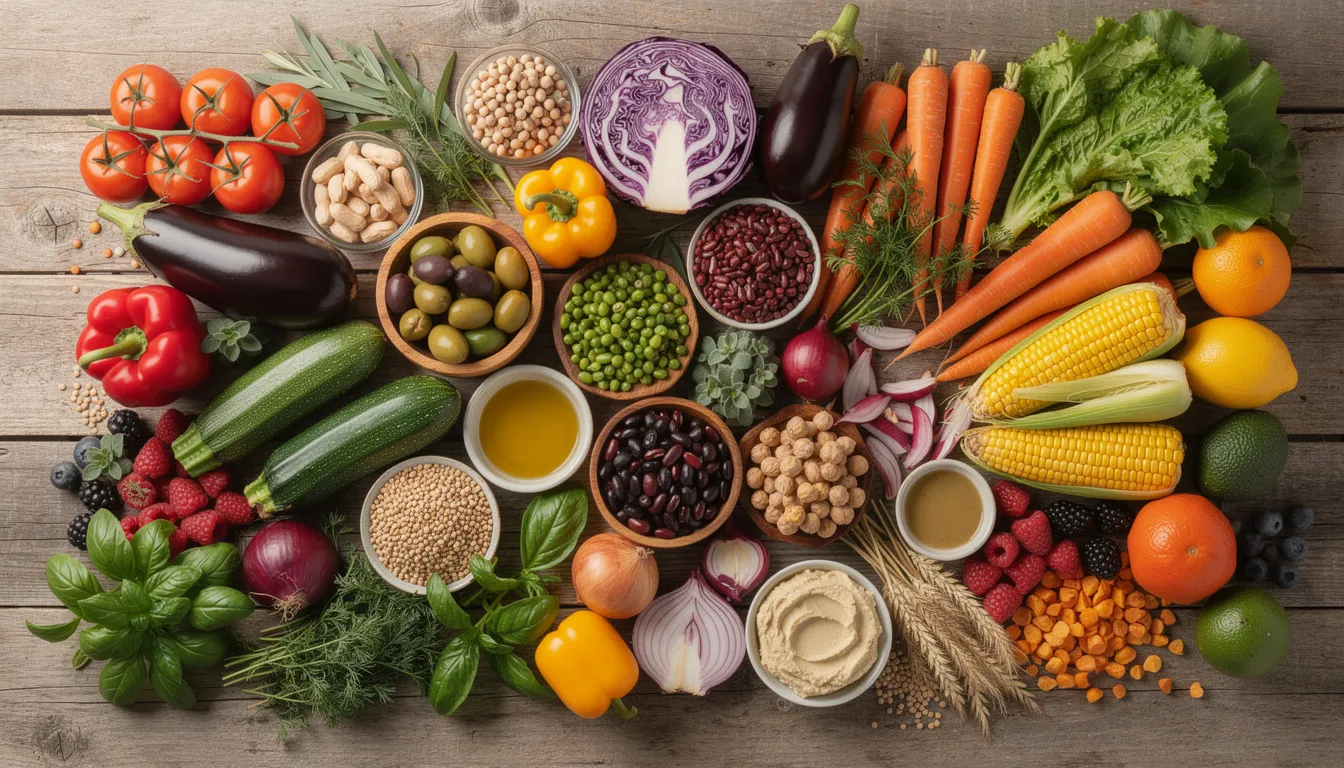
Predominantly plant-based eating: Diets in these regions derive approximately 90–95% of calories from plant foods, with regular consumption of legumes, whole grains, vegetables, fruits, and nuts. Some populations consume meat, but typically in small portions and less frequently than typical Western patterns. Processed meat and sugary beverages remain rare.
Traditional preparation methods: Meals are often prepared from scratch using locally available, seasonal ingredients. This approach naturally limits exposure to ultra-processed foods and their associated additives while preserving nutrient density.
Mindful eating practices: Meals are typically eaten slowly and shared socially. Some traditions include practices like the Okinawan concept of “hara hachi bu” (eating until 80% full), which naturally supports caloric restriction without rigid dieting.
Among Seventh-day Adventists in California’s Loma Linda community, researchers have documented life expectancies several years longer than the general US population, with notably lower rates of cardiovascular disease and some cancers. This population emphasizes plant-based diets alongside other healthy lifestyle practices, offering an example of longevity principles applied within a Western context.
5.1 Beyond Food: Lifestyle Factors That Interact with Nutrition
Diet represents one piece of a broader longevity puzzle in these communities. Several non-dietary factors consistently accompany healthy eating in long-lived populations:
Daily low-intensity physical activity: Walking, gardening, manual household chores—movement woven naturally into daily life rather than confined to gym sessions
Strong social networks: Intergenerational relationships, community involvement, and a sense of belonging and purpose
Adequate sleep and regular routines: Consistent daily patterns supporting circadian health and recovery
Limited smoking and moderate alcohol intake: When alcohol appears, it’s typically consumed moderately as part of meals and social occasions
These lifestyle factors work synergistically with nutrition. A supportive social environment and consistent daily routines make healthy eating more sustainable, while physical activity and quality sleep enhance the body’s ability to utilize nutrients effectively. The interaction of multiple factors likely explains why isolated dietary interventions sometimes produce more modest results than the comprehensive lifestyle patterns observed in long-lived communities.
6. Practical Nutrition Strategies to Support a Longer, Healthier Life
Even small, sustained changes in diet can accumulate into meaningful differences in overall health over decades. The following strategies align with the evidence while remaining realistic for everyday implementation.
Shift Toward Whole Plant Foods
Aim for multiple servings of vegetables and fruits daily, with frequent inclusion of legumes (beans, lentils, chickpeas) and whole grains. These plant based foods provide the fiber, phytonutrients, and antioxidants consistently linked to longevity in research. Start by adding rather than subtracting—include an extra vegetable serving at dinner, swap afternoon snacks for fruit and nuts, or add beans to soups and salads.
Prioritize Fiber-Rich Carbohydrates
Choose oats, barley, brown rice, quinoa, beans, and lentils over refined grains and sugary snacks. The inverse relationship between dietary fiber intake and all cause mortality appears across virtually every major cohort study. Higher fiber consumption supports gut microbiome diversity, blood sugar stability, and cardiovascular health—multiple pathways relevant to longevity.
Emphasize Healthy Fats
Build your fat intake primarily around unsaturated sources: olive oil, nuts, seeds, and avocados. These foods deliver monounsaturated and polyunsaturated fatty acids associated with better cardiovascular outcomes. Simultaneously minimize trans fats (found in some partially hydrogenated oils) and limit heavily processed fried foods that often contain excessive saturated fat.
Treat Ultra-Processed Foods as Occasional Extras
Sugar-sweetened beverages, packaged sweets, processed meats, and heavily processed snack foods have repeatedly shown associations with higher mortality risk in large cohorts. Rather than viewing these as forbidden (which often backfires psychologically), consider them occasional extras rather than dietary staples. The strongest associations with longevity come from what you consistently eat, not occasional indulgences.
Structure Meals for Sustained Energy
Including a source of protein, fiber, and healthy fat at each meal supports stable energy levels and appetite regulation. This approach naturally prevents the blood sugar spikes and crashes that can drive excessive total energy intake and metabolic stress over time.
A Sample Day of Longevity-Supportive Eating
Meal |
Example |
|---|---|
Breakfast |
Oatmeal with berries, walnuts, and ground flaxseed; green tea |
Lunch |
Large mixed salad with chickpeas, olive oil dressing, whole grain bread |
Afternoon Snack |
Apple slices with almond butter |
Dinner |
Grilled salmon or baked tofu with roasted vegetables and quinoa |
Evening |
Herbal tea, small square of dark chocolate |
This represents one possibility among many. The key lies in adapting these principles to your cultural preferences, budget, and food access. Consulting qualified healthcare professionals or registered dietitians when making significant dietary changes—particularly when managing health conditions—ensures personalized, safe guidance.
6.1 Supplements and Longevity: Where They May Fit
Food patterns remain primary for supporting longevity, but some individuals may be advised by clinicians to use supplements addressing specific nutritional gaps.
For many adults eating varied, balanced diets, most micronutrient needs can be met through food alone. However, certain factors may contribute to deficiencies requiring supplementation:
Vitamin D: Limited sun exposure, darker skin, and northern latitudes can impair synthesis
Vitamin B12: Absorption often decreases with age; strict vegans require supplementation
Omega-3 fatty acids: Those not regularly consuming fatty fish may benefit from supplements
Calcium: Particularly relevant for those avoiding dairy or with documented bone health concerns
Evidence for supplements directly extending life span remains mixed and emerging. The clearest benefits appear when correcting documented deficiencies or insufficiencies rather than supplementing already-adequate intakes. Any supplement plan warrants discussion with a healthcare professional, especially for those taking medications or managing chronic conditions.
The most evidence-based approach treats supplements as exactly what their name implies—supplements to a foundation of healthy eating, not replacements for it.
7. Putting It All Together: From Evidence to Everyday Choices
The accumulated evidence from decades of research tells a consistent story: long-term diet quality strongly influences the likelihood of living longer with fewer years of disability. This effect appears largely independent of genetic predisposition, meaning that dietary choices matter regardless of family history.
The core features of longevity-supportive eating aren’t exotic or complicated:
Abundant whole plant foods forming the dietary foundation
Adequate protein (with particular attention for older adults)
Emphasis on unsaturated fats from olive oil, nuts, and seeds
Limited intake of added sugars, refined grains, and heavily processed foods
Regular enjoyment of legumes, the one food group appearing prominently across virtually every long-lived population
Rather than thinking of these principles as a temporary “diet,” consider them an ongoing pattern—a way of eating that becomes second nature over time. Consistency matters far more than perfection. Research from major cohorts suggests that even midlife and later-life dietary improvements are associated with better outcomes, indicating it’s rarely “too late” to benefit from eating well.
The security verification that your efforts are worthwhile comes from the data itself: populations performing security verification of these principles through their daily lives—from Mediterranean villages to Okinawan centenarians—demonstrate that food choices compound over decades into measurable differences in health and longevity.

For those seeking to optimize their approach, working with registered dietitians or qualified health professionals ensures that general principles translate appropriately to individual circumstances. Those managing chronic conditions, taking medications, or navigating specific nutritional challenges benefit from personalized guidance that acknowledges their unique situation.
The empowering message from longevity research is clear: while we cannot control every variable affecting our health, what we choose to eat day after day represents one of the most powerful levers available. Small, sustainable changes—an extra serving of vegetables, swapping refined grains for whole versions, reaching for nuts instead of chips—accumulate into substantial shifts in disease risk and healthy aging trajectories.
Your nutrition journey toward a longer life doesn’t require radical transformation. It requires consistent, informed choices that align with what decades of research have revealed about the crucial connection between nutrition and longevity. Every meal represents an opportunity to invest in your future health.


Comments